
Indian Wedding
If this is the first time that you will be attending an Indian wedding, you’re going to be in for a festive and grand celebration. Chances are that you may have questions regarding what may take place during the ceremony and wedding reception Indian wedding rituals and practices have been past down for generations The following are some of the most common you’ll experience.
The Pithi
This a ritual performed separately at the bride and groom’s house meant to bring good luck. The Pithi is composed of turmeric rose water and chick flour paste that is applied to the bride and groom’s skin.
The Sangeet & Mehandi
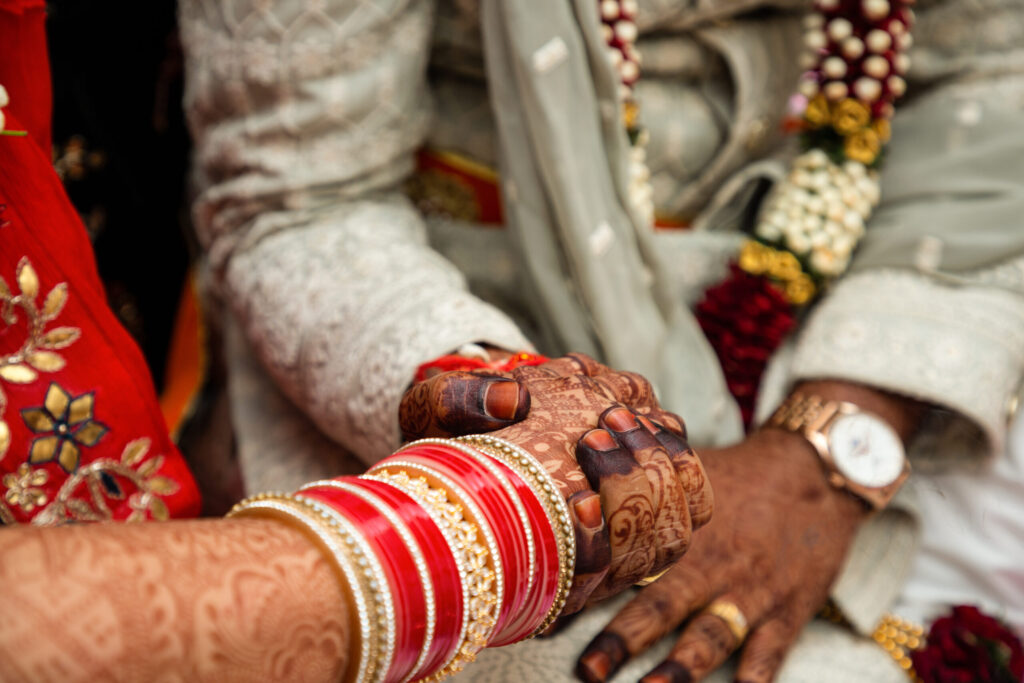
This ceremony takes place at the bride’s home one day prior to the wedding ceremony. The relatives and friends of the couple meet to get to know one another better. The bride and her family take part of the Mehandi rituals. During this time the bride’s hands and feet are designed with henna. The stronger the color of the henna the stronger the bond hopefully will be between the couple.
The Indian Wedding Invitations
In traditional Hindu families, wedding invitations are only sent to family members and close friends. However, most Indian wedding receptions have between 250 and 400 guests. This is because of the philosophy that weddings are to bring friends and families closer together.
The Engagement
Most Indians have a lengthy engagement process. During the engagement, the wedding date is determined.
Indian Wedding Attire
The bride doesn’t wear white because that color symbolizes mourning. She will usually wear a sari. A sari is a bright colorful garment that consists of several yards of lightweight cloth so that one end forms a skirt and the other a head and/or a shoulder covering.
The groom may wear a sherwani or a kurta A sherwani is a long-sleeved coat that is tapered at the waist and falls below the knees. The kurta is a long lightweight shirt that also falls below the knee. Sometimes the sherwani is worn over a kurta.
Most Indian weddings are formal so men who are guests wear tuxedos or suits and female guests can wear colorful dresses or gowns. Women can also wear traditional Indian formal wedding attire, but it’s not usually required.
The Indian Wedding Ceremony
Hindu wedding ceremonies are held under a canopy called a Mancap, which is decorated with colorful flowers, and fabrics. Each of its four pillars represents the four parents. The bride’s uncle walks the bride to the altar, and the father waits under the canopy for the bride.
The Baraat
One of the last segments of the ceremony takes place when the groom is welcomed by his future mother-in-law near the altar. This is the time when the bride’s immediate family and the groom’s immediate family meet and welcome one another. Many times this involves a short exchange of token gifts.
The Vidaai
The final aspect of many Indian weddings is the tradition of the Vidaai when the bride honors her parents by throwing a handful of rice over her head. (Don’t worry, it’s uncooked).
The Wedding Reception
While the wedding ceremony will be unique and beautiful, the Indian wedding reception will be something to look forward to. Indian weddings are high-energy and amazing.
A comfortable but upscale look would be created by having ottomans and sofas displayed throughout the reception ballroom. If the venue’s ballroom is expansive, the look of drapery adds a VIP ambiance.
There’s lots of food usually served in a buffet style. The food is always on display throughout the reception. It usually includes many appetizers, entrees as well as rice, salad yogurt, and naan bread. A sit-down dinner where the courses are served is, of course, another viable option
The music and dancing rarely stops throughout the evening. The only exception would be for a welcome speech by the father of the bride and toasts by the Maid &/or Matron of Honor and the Best Man.
The Bou Bhat Ritual
The day after the wedding reception, the Bou Bhat ritual might occur. The bride and groom’s immediate family visit the bride and groom for brunch or lunch. The groom pledges to take care of his wife’s basic needs of food and clothing. To honor this pledge, the groom serves his newlywed wife her food and presents her with a new sari.
The Aashirward Ceremony
Sometime after the wedding reception, the newlywed couples’ closest relatives visit the couple. The parents of the groom offer their blessings and present the bride with gifts of gold and/or diamonds. This ritual is the culmination of very elaborate and beautiful wedding rituals of the Indian tradition.
The Sid Miller Dance Band has performed many Indian and other ethnic wedding receptions. Every one of them has been high energy and festive. Wear your most fashionable but comfortable shoes because you’ll be dancing the night away with Indian and American dance music.
We usually work with a D.J. who plays the dance music of that particular culture and we provide the American dance music segment. I always meet with the bride and groom and if desired, the parents. During this Zoom meeting, we create a timeline that ensures a seamless transition between the D.J. and the band.
For more information about the Sid Miler Dance Band click here.